
Turning underused buildings into vibrant places
The SAM-SUD project, implemented through the European Urban Initiative, transforms underused public infrastructure in Košice into functional urban assets.
Our mission is to turn “blank spots” on the city map into a network of sustainable, multifunctional spaces that genuinely serve the community. The project connects municipal data, artificial intelligence, digital models and residents’ experience so the city can better identify the potential of public buildings and plan their future use.

How should municipal buildings be used?
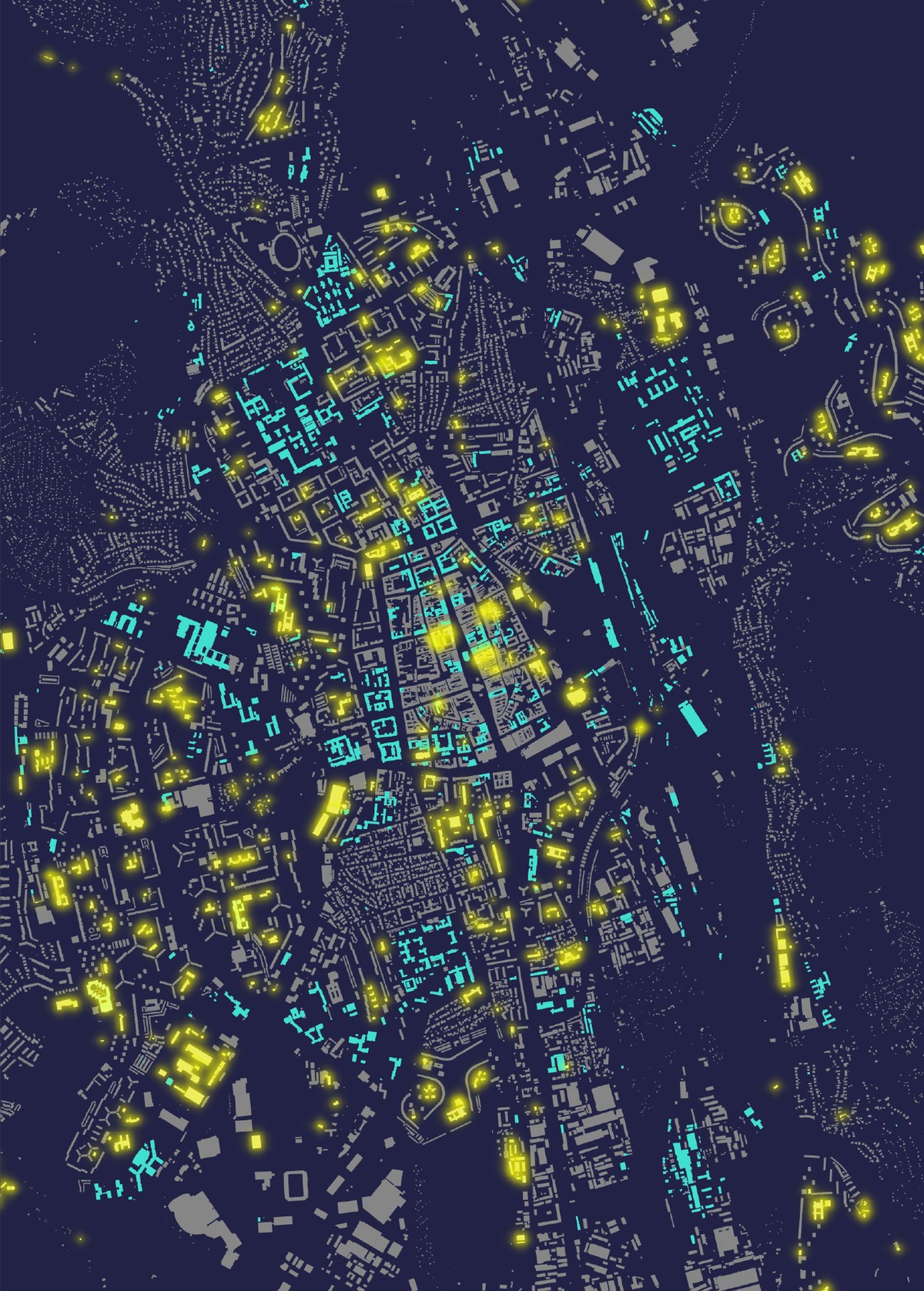
Some public buildings are vacant, underused or only partly occupied. At the same time, the city needs more spaces for community activities, culture, public services and business.
SAM-SUD will create a more accurate database of municipal assets and their condition. Košice will gain a clearer overview of which buildings can be renewed and what new functions they could bring to individual neighbourhoods.
- identify vacant and underused buildings,
- assess their condition and potential,
- propose new functions,
- develop services that respond to the city’s needs.
New approaches to urban space and data
SAM-SUD is creating a new system for managing municipal buildings in Košice. It will allow the city to plan the future use of public assets using shared and up-to-date data.
The result will be an integrated approach to municipal asset management that connects data on the technical condition of buildings, their use, operating costs, available services and ongoing monitoring. The city will gain the professional capacity to coordinate its entire portfolio of public buildings and plan its further development.

Asset Management Unit
A specialised public asset management team will be established within the city. It will connect strategic building management, digital tools and cooperation with residents, communities and local organisations.
Smart technologies, economic renewal and a greener city
A digital asset management system
We are developing an advanced digital system for smart asset management. It combines AI-based mapping, digital twin technology and participatory planning involving residents.
Space for jobs and business
Building transformation goes beyond architecture. It creates an environment that supports new job opportunities and provides a strong base for small and medium-sized enterprises.
A lower carbon footprint
Every building given a new use is a step towards greater energy efficiency and a lower carbon footprint. Košice can therefore develop according to the principles of sustainability.
Data, smart technologies, digital models and residents’ perspectives in one process
Košice will decide how buildings should be used with the help of accurate data and in cooperation with the people who know and use the city every day.
Collecting information about the city
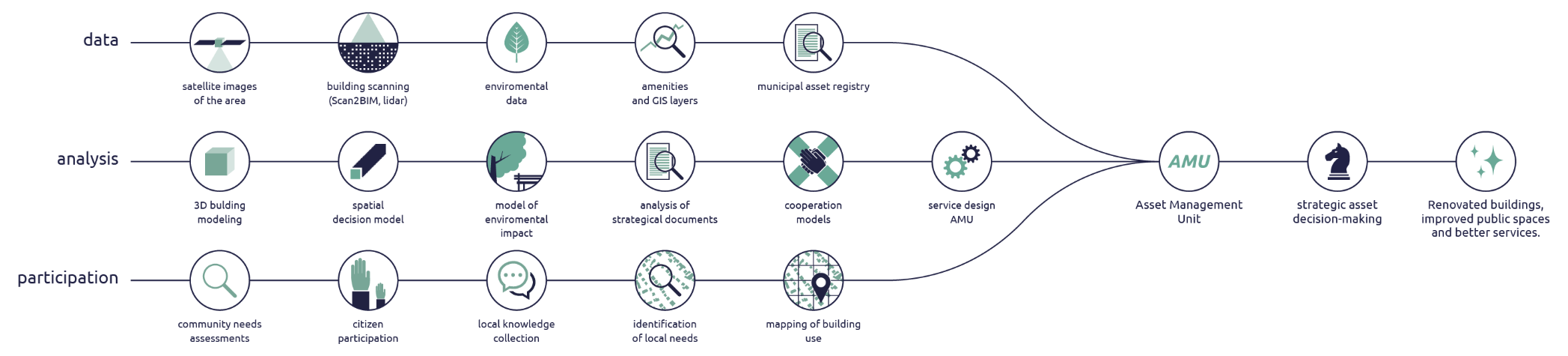
Satellite imagery, GIS layers, asset records, building scans, environmental data and information about local amenities will create a shared picture of the condition of municipal buildings.
Models and future-use scenarios
The project will produce 3D building models, recommendations for new uses, environmental impact simulations, cooperation models and proposals for municipal services.
People’s experience and needs
Surveys, workshops and digital tools will enable residents, communities and organisations to propose building functions and take part in planning.
NextUse AI will reveal the potential of municipal buildings
The tool automatically maps municipal assets and their condition. Using data about the building, its location and people’s needs, it will recommend options for future use.
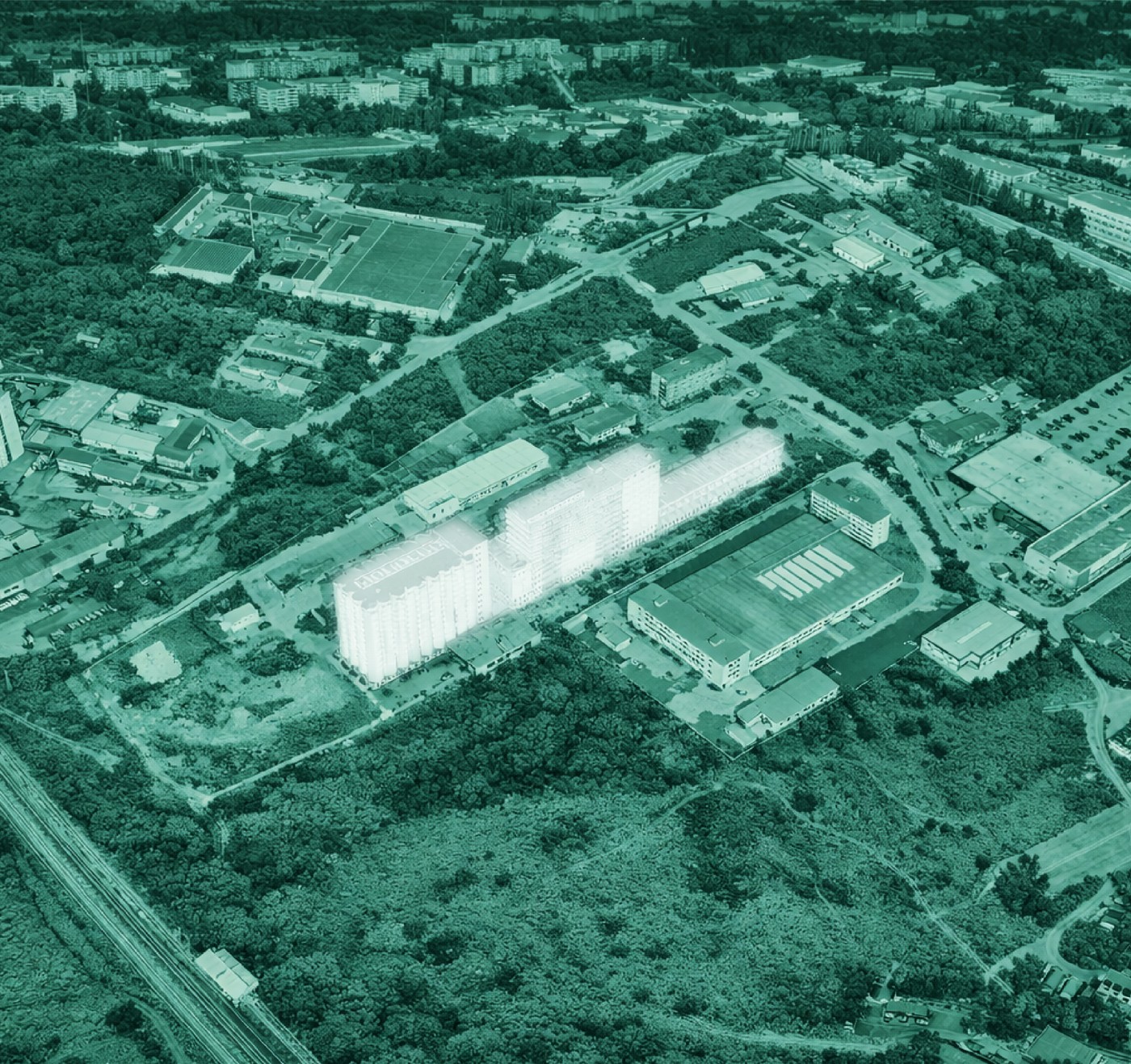
Scenarios will be tested in 3D before reconstruction begins
A digital twin is an accurate 3D model of a building. It helps simulate reconstruction, energy efficiency and the future use of space. The project will create ten digital twins and simulations of possible uses.
AZGARD will connect 3D scenarios with feedback from residents
AZGARD is a participatory digital twin platform. It will allow residents to view possible building transformation scenarios, compare them and respond directly in a digital environment.
The city can therefore combine expert analysis, visualisations and people’s local knowledge when making decisions. Online participation will be complemented by in-person meetings and workshops so that different groups of residents can take part in planning.
- view possible future forms and functions of buildings,
- compare scenarios and provide feedback,
- contribute knowledge about the needs of specific neighbourhoods.
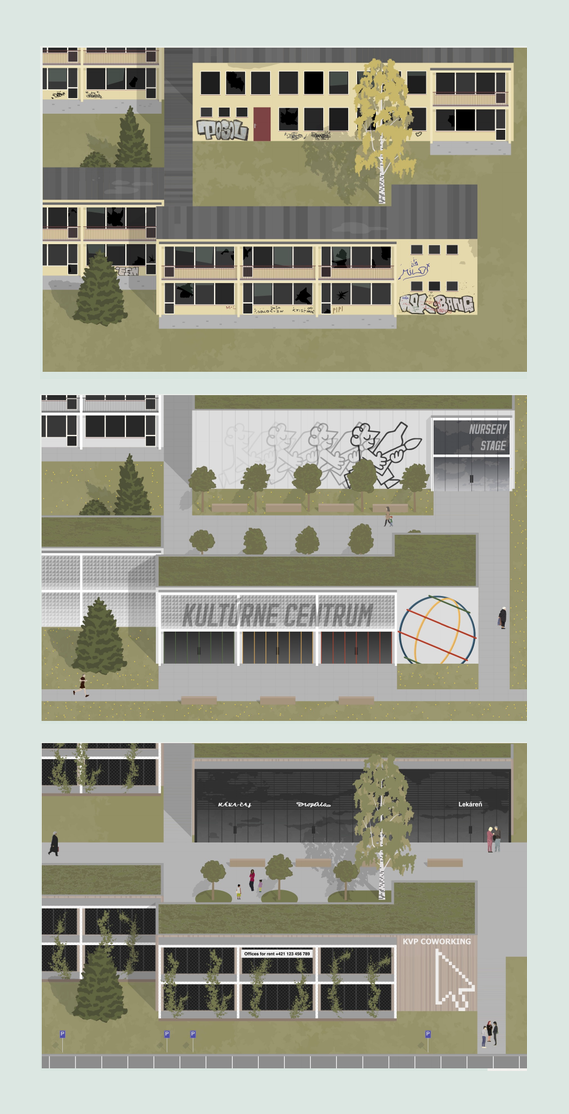
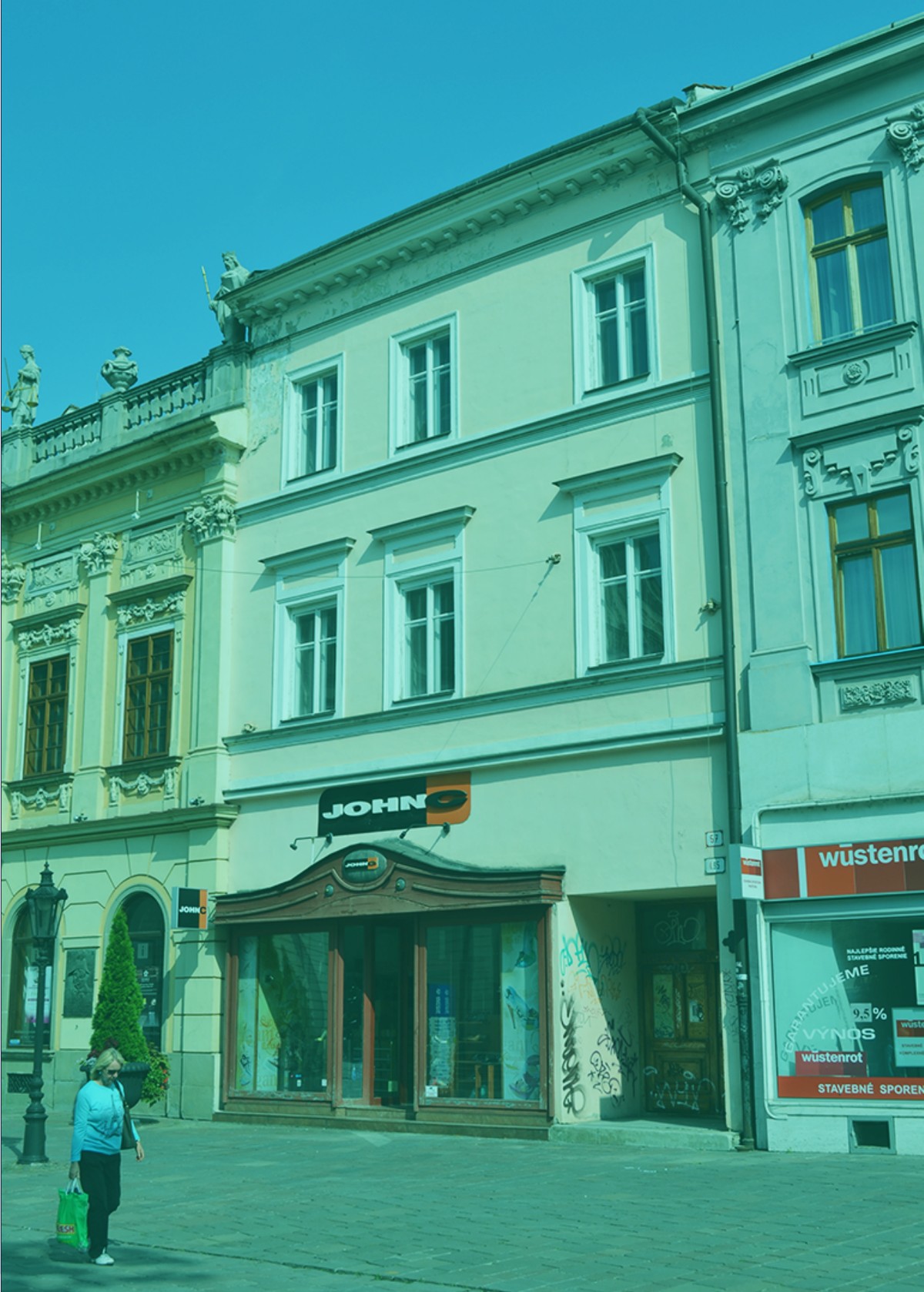
Transformation of the building at Hlavná 57
The pilot building will demonstrate how a municipal property can become a sustainable, multifunctional space offering new services.
- comprehensive mapping and a digital model of the building,
- testing several future-use scenarios,
- reconstruction and sustainable technologies,
- new services and functions for the city,
- a model that can be applied to other buildings.
Better-used buildings, higher-quality services and a more sustainable Košice
Renewing municipal buildings can create new spaces for people and businesses, reduce energy demand and help the city use public resources more effectively.

A better quality of life in the city
- new municipal services,
- new job opportunities,
- support for local businesses,
- new community spaces.
A more sustainable city
- lower energy consumption,
- lower CO₂ emissions,
- more efficient use of existing buildings,
- better use of public resources.
A solution from Košice can help other European cities
SAM-SUD is part of the European Urban Initiative. The tools, methods and experience developed in Košice will also be tested and shared with other cities across Europe.
The project will create a model that can help local governments manage public assets more effectively, involve residents and transform underused buildings into functional and sustainable places.
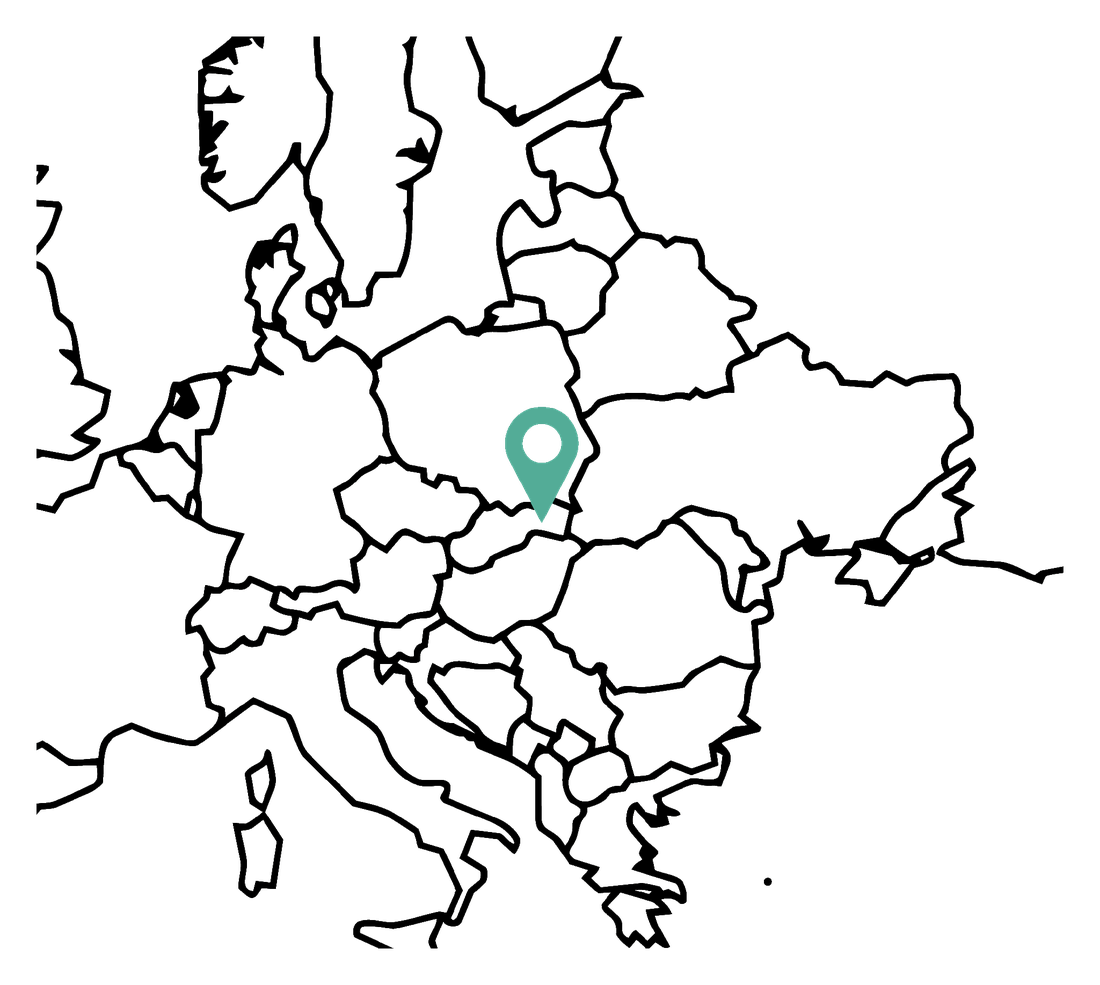
Project partners
 City of Košice
 Creative Industry Košice, NGO
 K13 – Košice Cultural Centres
 GEODETICCA s.r.o.
 KAJO s.r.o.
 East Coast
 Technical University of Košice
Transfer partner cities
 Celje, Slovenia
 Fuenlabrada, Spain
 Mannheim, Germany